Gustaf Oscar Dalström, 1933
ATTENTION!
1
day left
before The Grand Opening.
Stay tuned!
1
day left
before The Grand Opening.
Stay tuned!
Gustaf Oscar Dalström, 1933
 Wellington, New Zealand
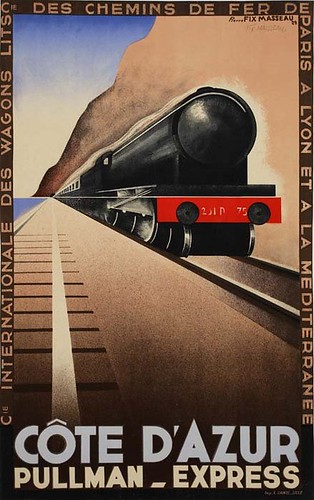
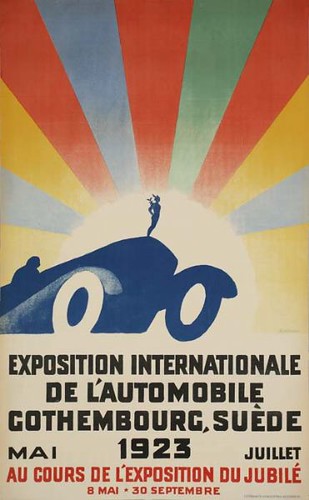
 by A.M. Cassandre
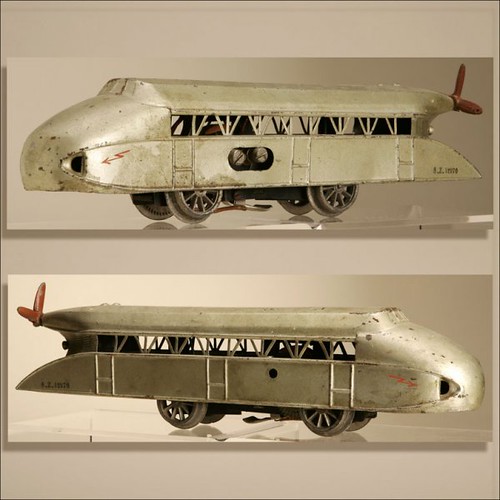
 This is the first version of the Ludewig Aero type Straßenzepp (Road Zeppelin) Essen with 21 seats. Based on an Opel Blitz 3.5 tonnes chassis and powered by a 64 hp engine, it was first bus, teste in the wind tunnel . The development was carried out in cooperation with Prof. Dr. Emil August Everling of the Aerodynamic Research Institute (AVA) in Göttingen.
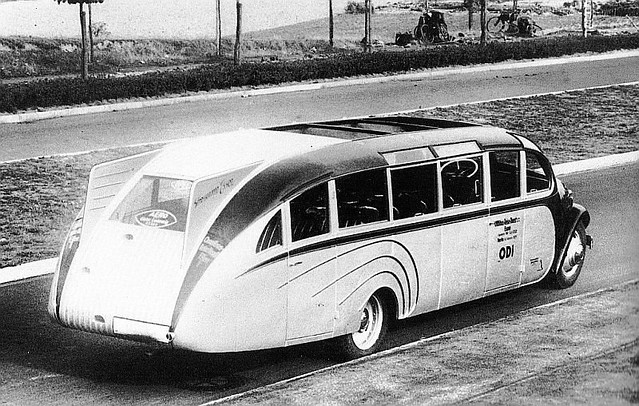 Info: mke124 @ Flickr
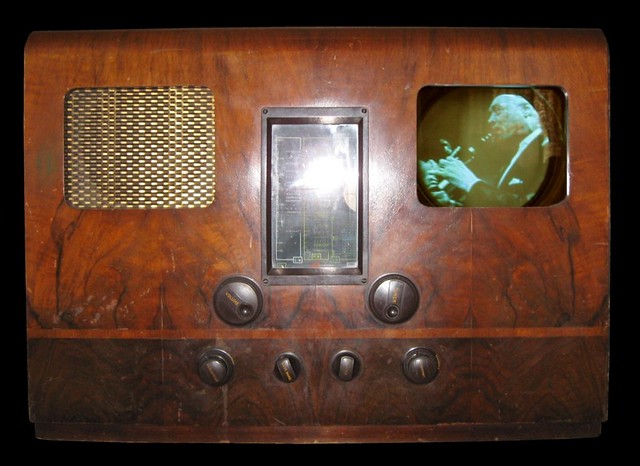 Marconi Model 707
 Valentina Kulagina. A poster for Soviet art exhibition, Zurich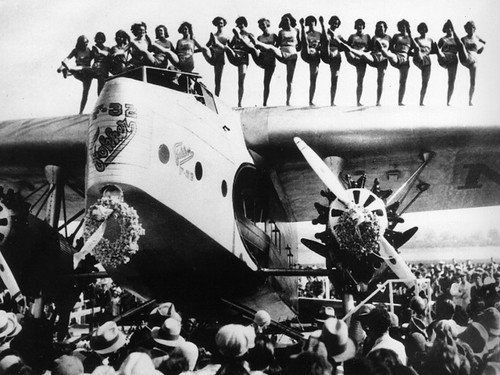
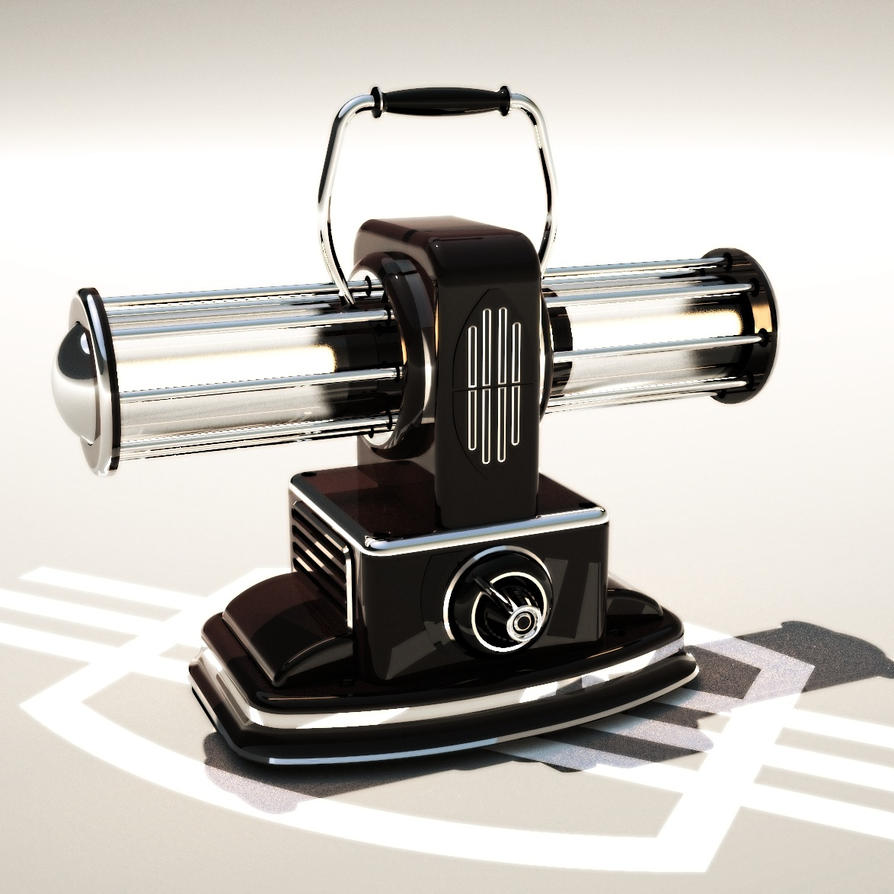
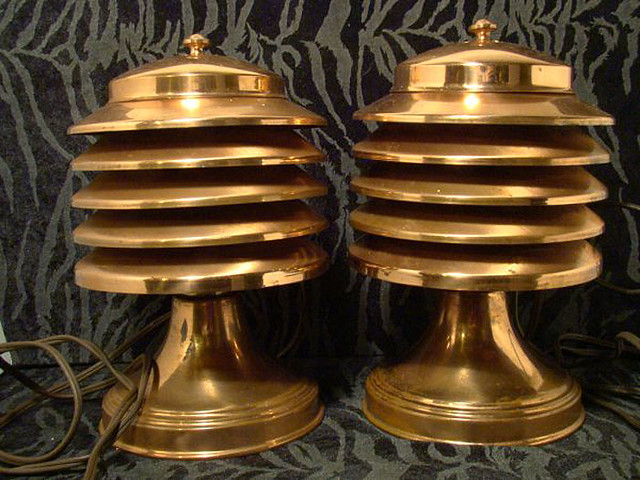 A pair of streamline table lamps manufactured by Coulter in Toronto, Canada.
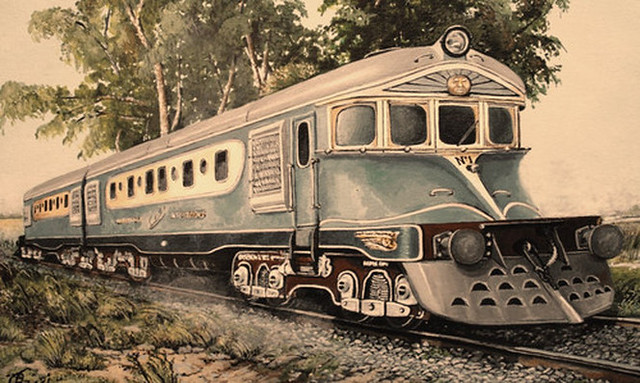 Diesel locomotive built in 1951 (yes, the date is correct: Nineteen Fifty-One) by FADEL, Argentina for 400-km Constitución - Mar del Plata route. Powewred by two 735hp Sulzer diesel engines.
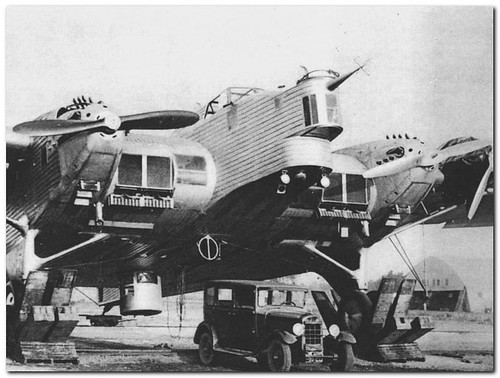
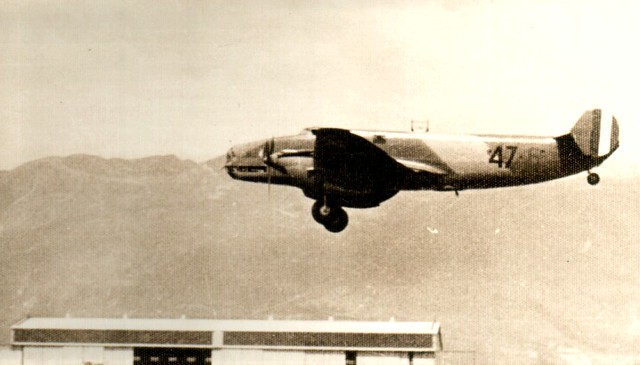 The prototype of the Piaggio P.32 twin-engine bomber flew in early 1936 powered by two Isotta Fraschini Asso XI V-12 engines. Of mixed construction, the P.32 had a stubby fuselage with a low/mid-set wing incorporating Handley-Page leading-edge slats and double trailing-edge flaps, and a tail unit with twin fins and rudders. The V-12 engines were later replaced by 746kW Piaggio P.XI RC.40 radials. Armament comprised a single 7.7mm Breda machine-gun in a nose turret, and twin guns of the same type and calibre in retractable dorsal and ventral turrets.
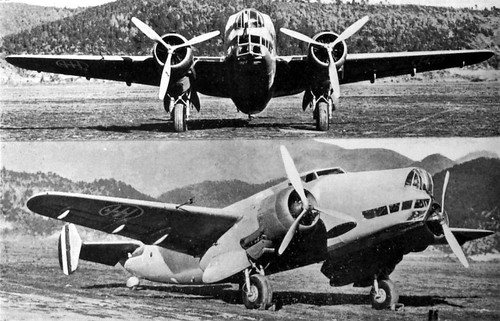 A production series of 16 P.32s with Isotta Fraschini engines went into service with the 47a and 48a Squadriglie B.T. of the Regia Aeronautica during 1937, only to be withdrawn and scrapped the following year after a crash which indicated irremediable control problems. Twelve radial-engined aircraft under construction were never completed.
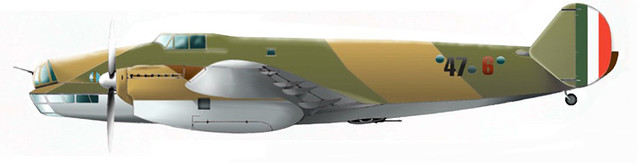 Info: Virtual Aircraft Museum
 AHGG Heavy bomber, 1935
 First strategic bomber of the Atlantic Republic Army Air Corps.
 Powered by six JuMo diesel engines it was capable of delivering a 1,000 kg bomb load to the distance of 6,000 km. At shorter ranges maximum payload could be increased to 7,200 kg.
 Protection of cruisers of project 26 included 50mm belt with 121m length and 3.4m height, covered by 50mm transverse bulkheads. 50mm main deck was connected with its upper edge. Turrets and barbettes from all directions were protected by 50mm plates, the conning tower had 150mm sides and 100mm roof. Steering gear compartment was covered by 20mm armour.
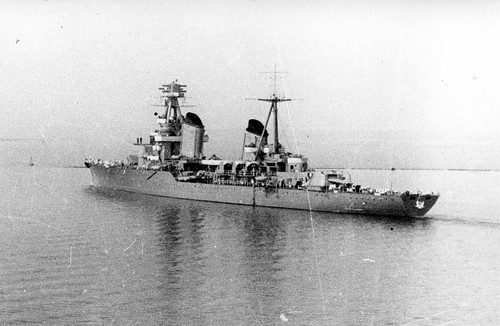 Based near Riga at the time of the German attack on the Soviet Union in June 1941, Kirov was trapped in the Gulf of Riga by the rapid enemy advance. She supported minelaying sorties by Soviet destroyers in the western half of the Irben Strait on the evenings of 24–25 and 26–27 June. Off-loading her fuel and ammunition to reduce her draft, she passed through the shallow Moon Sound Channel (between Muhu island and the Estonian mainland) with great difficulty, and managed to reach Tallinn by the end of June. Kirov provided gunfire support during the defense of Tallinn and served as the flagship of the evacuation fleet from Tallinn to Leningrad at the end of August 1941. For most of the rest of the war she was blockaded in Leningrad and Kronstadt by Axis minefields and could only provide gunfire support for the defenders during the Siege of Leningrad. She was damaged by a number of German air and artillery attacks, most seriously on 4–5 April 1942 when she was hit by three bombs and one 15-centimeter (5.9 in) shell that damaged all six 100 mm AA guns, the aft funnel, the mainmast, and killed 86 sailors and wounded 46. Repairs took two months during which her catapult was removed; a lighter pole mainmast was fitted and her anti-aircraft armament increased. After Leningrad was de-blocked in early 1944, Kirov remained there, and took no further part in the war except to provide gunfire support for the Soviet Vyborg–Petrozavodsk Offensive in mid–1944.
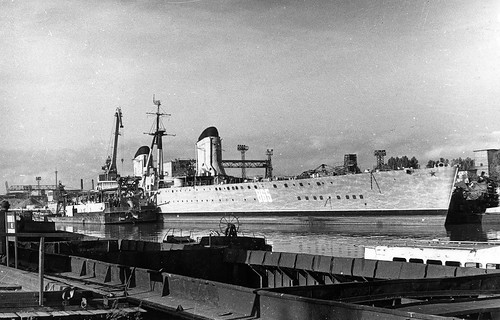 She was reclassified as a training cruiser, regularly visiting Poland and East Germany, on 2 August 1961 and sold for scrap on 22 February 1974. When Kirov was decommissioned, two gun turrets were installed in Saint Petersburg as a monument.
 Inside the pavilion, the viewfinder was faced with a small screen on which appeared the artist - a singer or musician - who was in the nearby studio: the image was reduced and tinted green. The artist had to smear the face of a special make-up and unflattering, but the image was true and perfectly recognizable. The sound, on the other hand, was not changed the transmission, a shortwave station was installed to do this, inside the Pavilion, by technicians of Radio Schaerbeek.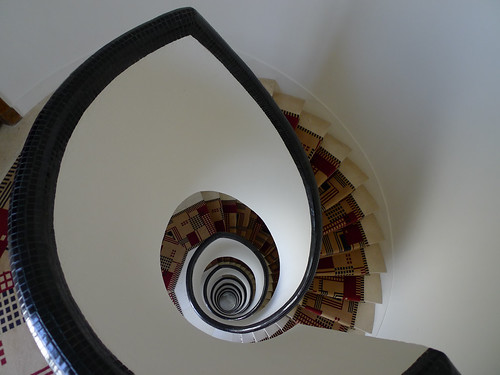
 Staircase, 7th floor
 She was heavily involved in the first contact with the German battleship Bismarck and the cruiser Prinz Eugen, and landed a critical hit on Bismarck, causing her to make the ill fated decision to return to port. Prince of Wales suffered heavy damage during the engagement and had to return to Rosyth to be repaired. She transported Prime Minister Winston Churchill to the Newfoundland Conference with US President Franklin D. Roosevelt.
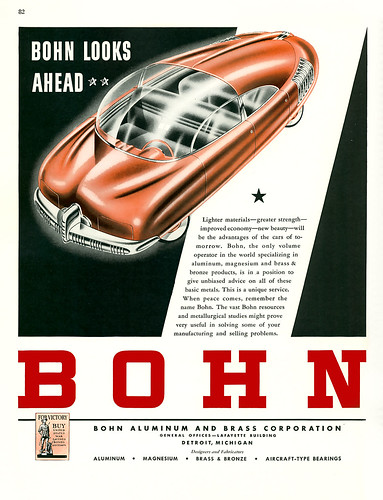 Artist: Arthur Radebaugh*
 BBC Broadcasting House, London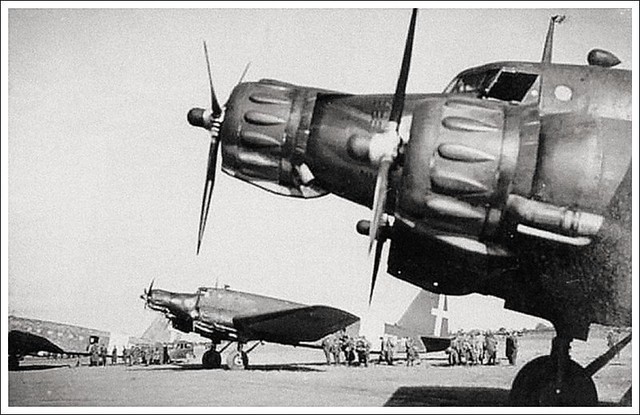

 Posts
All Comments
Posts
All Comments