Three-dimensional renderings of classic radio receivers
by Dan Palatnik
via kaschey_lp @ Dieselpunks LJ Community
Three-dimensional renderings of classic radio receivers Rome's only truly modern obelisk was erected by Mussolini, and it bears the words, "Mussolini Dux." At the end of the Fascist regime, all public references to the Duce were outlawed and removed, but the letters on this 55-foot column were too large to be effaced, so they remain as a bizarre testament to the dictator's oh-so-Roman megalomania.
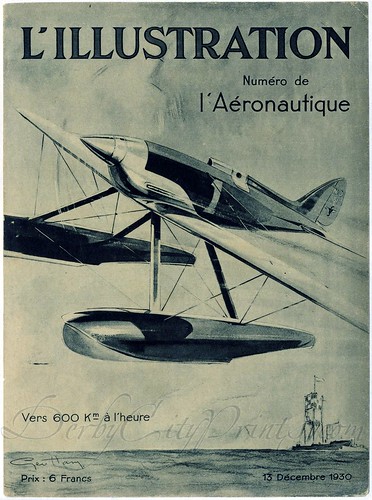
 Carrier-borne Takapu biplane over the ARNS Neptune
 Following WW1 and a side trip to deliver the "M-21" to Sweden, Josef Vollmer, the former chief designer for the German War Department's motor vehicle section, came to reside in Czechoslovakia. Joining Skoda, he set to work on a wheel/track light tank. His KH-50 design had roadwheels mounted on the drive sprockets and a jockey wheel behind to keep the tracks up off the ground.
 Despite impressive specifications - 13mm armor, a 37mm turret mounted gun, and a 50hp engine capable of pushing the tank up to 8mph (tracks) and 22mph (wheels), it was rejected by the Czechoslovak army. However, the army was impressed. The military liked the hybrid Kolohousenka wheel/track arrangement and commissioned further studies. Further designs would be the KH-60 and 70.
 Notable differences would be the engine power increased to 60-70hp and a better system of switching between track and wheel. A simple ramp device allowed the track-to-wheel change in less than 10 minutes.
 Posts
All Comments
Posts
All Comments