Designed by
TE Slot for the Dutch firm
De Schelde, the S.21 was a single seat fighter which reached the advanced prototype stage. Construction commenced early in 1939. Slot believed that, with all the weight concentrated on the fighter's CG. the S.21 would make an excellent gun platform and offer a degree of maneuverability comparable with, if not superior to, that of more orthodox single-seat fighter configurations. Superb view with the firepower concentrated in the nose were to be other advantages.
Of course the concept was not new when you look at other designs of the period including the
SAAB-21A, Vultee XP-54 and the original Bell XP-59 design. However, aspects that deviated from these designs included an extensively glazed cockpit and a semi-reclined seat for the pilot. The intended powerplant was to be a Daimler-Benz DB 600Ga 12-cylinder inverted-vee of 1,050hp. A three bladed prop was driven via an extension shaft. Danger for the pilot from the pusher prop when in the event of bailing out was to be solved by "jettisoning" the propeller just prior.
Not only was it intended to take on the interceptor role, low-level ground attack was also envisaged. A 23mm Madsen cannon was to be fixed for the interceptor role and flexible for ground attack role. This being achieved by an automatic stabilising system whereby the pilot only had to adjust the rudder while operating the flexible cannon mode. Other armament included four 7.9mm FN-Browning machine guns.
Estimated maximum speed of 367 mph at 13,125 ft, and a maximum continuous cruise of 323mph was "feasible".
Unfortunately, no opportunity to confirm these calculations was to present itself. The prototype was in final assembly in May 1940 when the Wehrmacht occupied the De Schelde factory. the airframe was transported to Utrecht where it was tested to destruction in the
Zerlegebetrieb (Analysis Department).
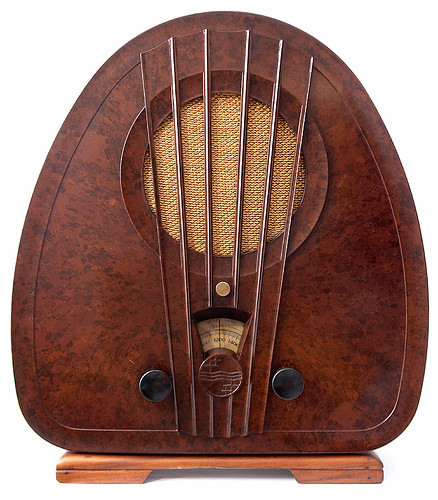 Philips radio model 834A
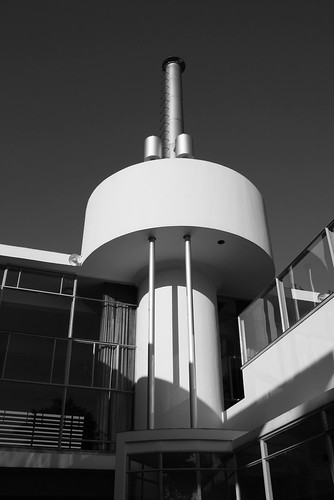 The estate Zonnestraal (Sunray) is a former sanatorium in Hilversum, Netherlands. The building was designed by architect Jan Duiker in cooperation with Bernard Bijvoet and Jan Gerko Wiebenga.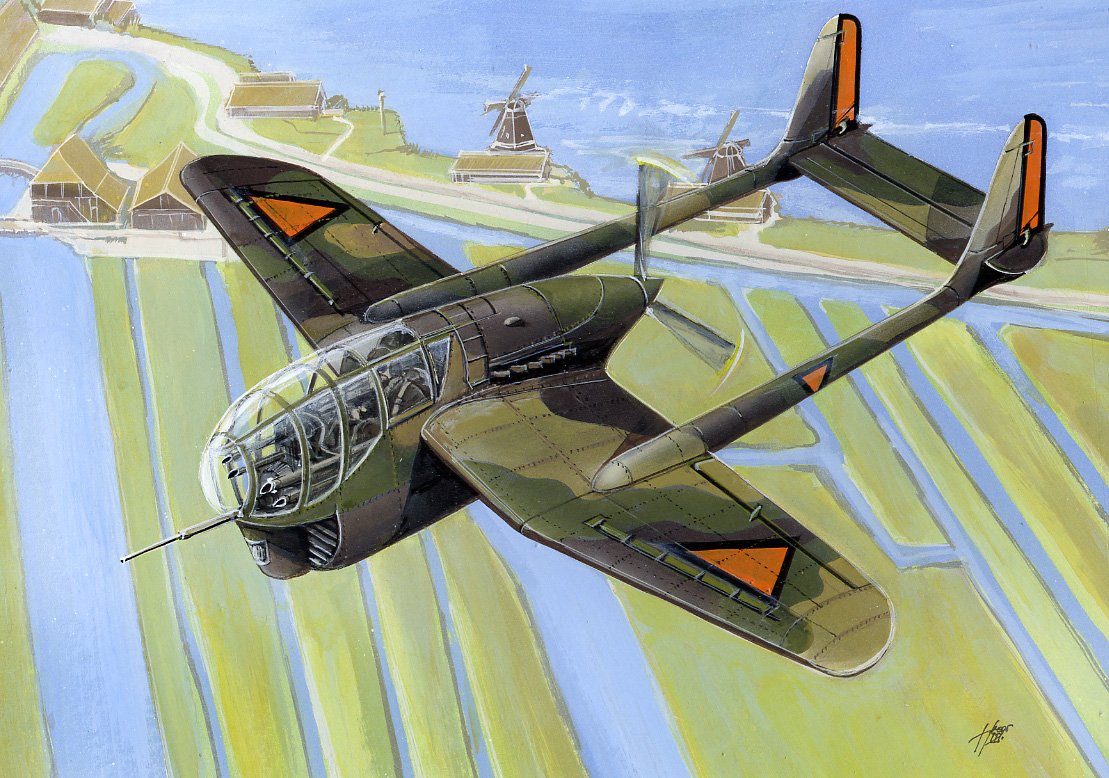
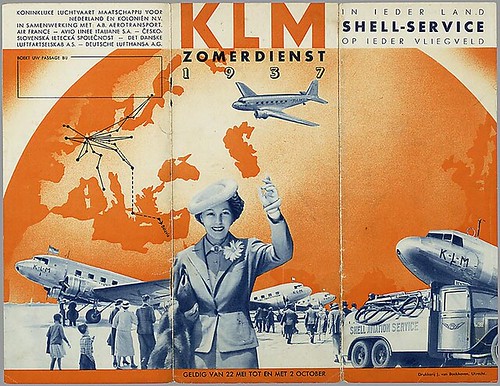
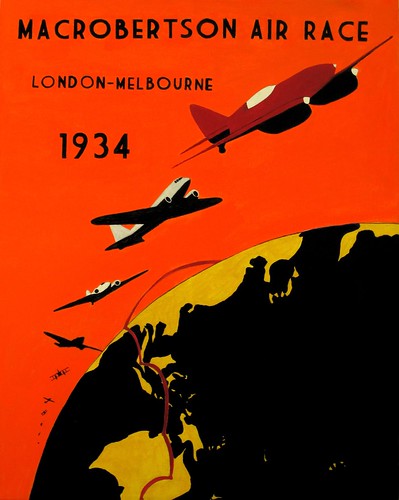 Two main contenders easily recognizable: the red plane (and the winner) is de Havilland DH.88 Comet, followed by Douglas DC-2 Uiver (KLM)
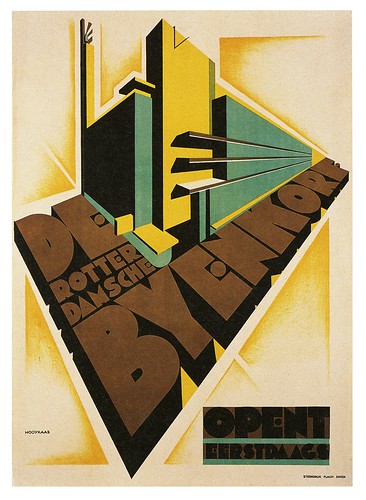 Jacoobus Hooykaas
 Posts
Posts